
Washington residents face a surge in spam calls, particularly automated robocalls. The Washington State Attorney General's Office and Federal Trade Commission (FTC) enforce laws like the Telemarketing Sales Rule (TSR). Anti-spam apps like TrueCall, Hiya offer blocking with machine learning, but app selection is crucial. Consulting a lawyer for robocall laws Washington provides expert guidance on TCPA rights to silence unwanted calls from telemarketers, debt collectors, and political campaigns. Proactive consultation ensures protection in the evolving telecommunications landscape.
In the digital age, Washington residents face a growing menace from unwanted robocalls, which have become a ubiquitous nuisance. These automated phone calls, often promoting dubious services or containing fraudulent messages, disrupt daily life and pose potential security risks. The sheer volume of spam calls has prompted many to seek effective solutions, especially with traditional blocking methods proving inadequate. This article delves into the comprehensive strategy of using specialized apps designed to block spam calls, offering a practical approach to reclaiming control over one's communication channels. For those seeking legal recourse against relentless robocalls, consulting a lawyer for robocall issues in Washington is a crucial step towards ensuring compliance with local regulations and securing rights.
Understanding Spam Calls in Washington: Legal Framework
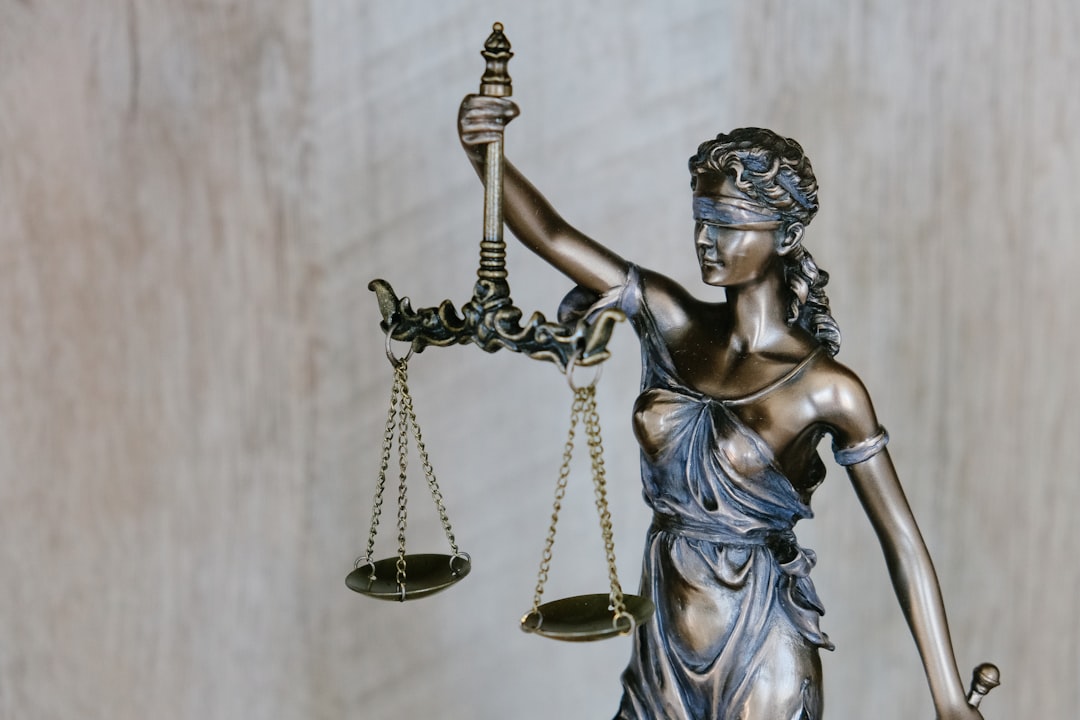
Spam calls, particularly automated or robocalls, have become a pervasive issue for residents across Washington state. Understanding the legal framework surrounding these calls is crucial for consumers seeking to protect themselves. In Washington, the Washington State Attorney General's Office and the Federal Trade Commission (FTC) enforce laws designed to curb spam calls and protect consumer privacy. These regulations are in place to prevent businesses from making unsolicited telephone marketing calls or sending unwanted text messages.
One key piece of legislation is the Telemarketing Sales Rule (TSR), which requires telemarketers to obtain written consent from consumers before making sales calls. This means that residents have the right to opt-out of receiving such calls, and businesses must respect these preferences. Additionally, Washington law strictly regulates the use of auto-dialers and prerecorded messages, often employed by spam call rings. These devices are subject to more stringent regulations than live telemarketers, further safeguarding consumers from intrusive and unwanted calls.
For residents experiencing a surge in spam calls, consulting with a lawyer for robocall laws Washington can provide valuable guidance. Legal experts can offer tailored advice on how to navigate the regulatory landscape and take appropriate action against persistent violators. With the ever-evolving nature of spam call tactics, staying informed about one's rights and available legal options is essential in protecting oneself from this modern-day nuisance.
Downloading Anti-Spam Apps: Step-by-Step Guide

Washington residents face a persistent challenge with spam calls, which has led many to seek effective solutions. One of the most popular and proactive approaches is the use of anti-spam apps designed to block these unwanted intrusions. Downloading and utilizing these applications can significantly enhance your control over your phone communications. Here’s a step-by-step guide to help you navigate this process efficiently:
1. Identify Reliable Apps: Begin by researching reputable anti-spam app options available for your device. Popular choices include TrueCall, Hiya, and NoCall. These apps leverage advanced technologies like machine learning to identify and block spam calls. Check user reviews and app store ratings to gauge their effectiveness and reliability. For instance, TrueCall boasts a success rate of over 90% in blocking telemarketers according to independent tests.
2. Download and Install: Once you’ve selected an app, download it from a trusted source like the Apple App Store or Google Play Store. The installation process is usually straightforward and similar across platforms. After installation, take a moment to familiarize yourself with the app's interface. Many offer customization options, allowing you to manage blocklists, whitelist contacts, and set preferences.
3. Configure Settings: Tailor your app’s settings to fit your needs. This might include adding specific numbers or types of calls to a blacklist automatically. Some apps also provide the option to report spam calls, contributing to a collective intelligence network. For instance, Hiya allows users to report unknown callers, helping to improve the app's accuracy over time. Additionally, ensure you understand how the app handles call blocking and notifications.
4. Regularly Update and Monitor: Keep your anti-spam app updated to benefit from the latest enhancements and security patches. Regular updates often include improved spam detection algorithms and new features. Also, monitor the app’s activity log to track blocked calls and identify patterns. If you notice frequent false positives or miss important calls, consider adjusting settings or reaching out to a lawyer for robocall laws in Washington for professional guidance on refining your approach.
Choosing the Best Call Blocking App for Washington Residents

Washington residents face a persistent challenge with spam calls, which has prompted many to seek effective solutions. Among the most powerful tools available, call blocking apps have emerged as a popular choice for managing unwanted communication. However, selecting the best app requires careful consideration due to the dynamic nature of spam call techniques.
When evaluating options, users should look beyond basic call blocking features. Advanced apps employ machine learning algorithms to identify and block emerging spam patterns, ensuring ongoing protection. For instance, some top-rated apps analyze caller behavior, learn from user feedback, and adapt their filtering strategies accordingly. This proactive approach is crucial in a landscape where spammers constantly evolve their tactics.
Furthermore, users should consider the app's compatibility with their devices and operating systems. Regular updates are essential to maintain effectiveness against new spam call technologies. Additionally, seeking apps with features like call history logging, customizable blocking lists, and integration with existing contact lists can enhance user experience. For Washington residents facing persistent robocalls, consulting a lawyer specializing in robocall regulations can provide valuable insights into legal protections and rights.
Consulting a Lawyer for Robocall Protection: Your Rights

Washington residents face a persistent challenge with robocalls, which have become an increasingly common nuisance. While many apps offer call blocking, understanding your legal rights and consulting a lawyer for robust protection is essential. A skilled attorney specializing in robocall laws in Washington can provide invaluable guidance tailored to state regulations. These experts can help you navigate complex issues surrounding unwanted calls, including those from telemarketers, debt collectors, and political campaigns.
One significant aspect to consider is the Telephone Consumer Protection Act (TCPA), a federal law designed to curb excessive robocalls. The TCPA grants consumers the right to silence unwanted calls and offers legal recourse against violators. A lawyer for robocall laws in Washington can advise you on how to exercise these rights effectively. For instance, they can assist with filing complaints against persistent callers, seeking damages, or even pursuing class-action lawsuits when appropriate. With their expertise, residents can protect themselves from financial loss and emotional distress caused by excessive robocalls.
Practical steps include maintaining a comprehensive call log, documenting each incident, and saving relevant voicemails as evidence. If you've experienced harassment or significant disruption due to robocalls, consulting a lawyer is a proactive step towards regaining control. They can help you understand your options, from simple blocking measures to more aggressive legal strategies, ensuring your rights are protected in the ever-evolving landscape of telecommunications regulation.