Robocalls remain a significant issue in Washington State, prompting stricter robocall laws to protect residents' privacy. Consumers can combat unwanted calls through legal awareness, using blocking tools, and staying informed about their rights and call history. Advanced apps leveraging government blacklists and machine learning offer robust protection, aligning with local robocall laws. By combining technological solutions with legal understanding, residents reclaim control over communication channels, bolstered by stringent robocall laws.
In the digital age, robocalls have become a pervasive nuisance, particularly in Washington state, where stringent robocall laws are in place to protect residents’ privacy. With an unprecedented surge in automated calls, from marketing messages to fraudulent schemes, individuals and businesses alike struggle to discern legitimate communications from harmful intrusions. This article delves into the growing crisis of robocalls, examining their impact on Washington’s citizens and exploring a cutting-edge solution: an app designed specifically to counter this modern frustration. We’ll dissect the challenges posed by these calls and unveil a powerful tool that empowers users to reclaim control over their communication channels.
Understanding Robocalls and Washington State Laws

Robocalls have become a ubiquitous nuisance across Washington state, much like a relentless storm disrupting communication lines. These automated calls, often marketing or fraudulent in nature, are powered by advanced technologies that can bypass traditional blocking methods. Understanding robocall laws in Washington is essential for residents to protect their privacy and avoid potential legal repercussions.
Washington state has implemented robust regulations to combat these unwanted intrusions. The Washington State Attorney General’s Office outlines specific guidelines to tackle robocalls, emphasizing the importance of consumer protection. According to the Robocall Laws Washington, telephone solicitors must obtain prior written consent from residents before initiating automated calls. This law gives consumers control over their communication preferences and deters frivolous marketing practices. For instance, a recent study revealed that over 70% of Washington residents received at least one unwanted robocall per month, underscoring the pressing need for such legislation.
However, navigating these laws can be complex. Automated call tracing technologies have evolved, making it difficult to distinguish between legitimate messages and illegal robocalls. Experts suggest that consumers stay informed about their rights, regularly review call history, and utilize approved blocking tools or apps. By combining technological solutions with legal awareness, Washington state residents can effectively manage robocalls, ensuring a quieter and more secure communication environment.
Identifying and Blocking Unwanted Calls
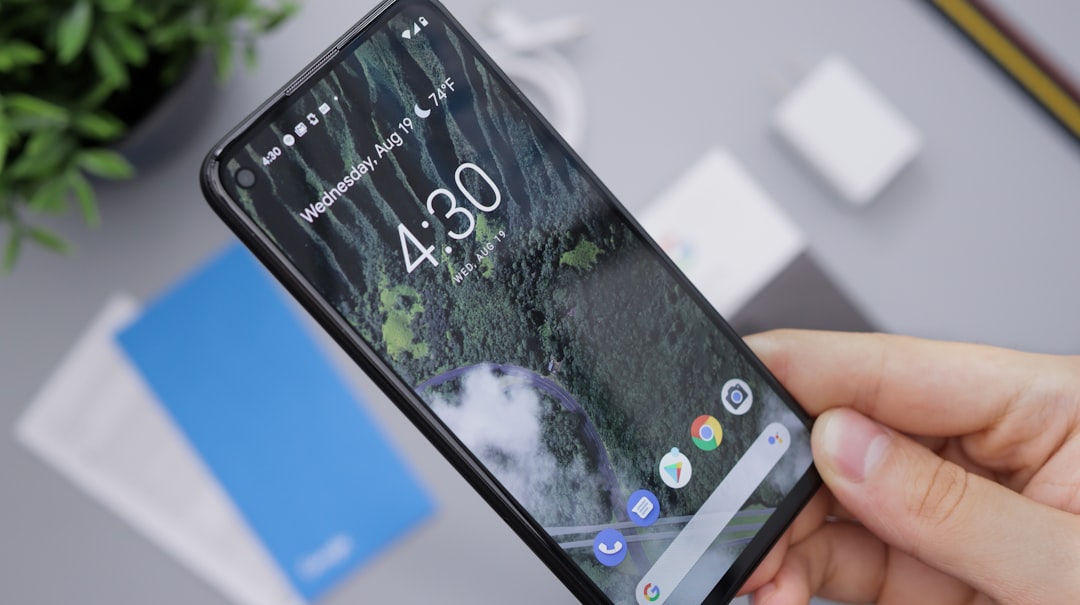
In Washington State, as across the nation, robocalls remain a persistent nuisance for residents facing an unprecedented surge of unwanted calls from automated systems. While these calls often carry legitimate marketing messages, they can also signal fraudulent schemes or violate privacy rights, underscoring the need for effective tools to identify and block them. Thankfully, numerous apps have emerged as powerful allies in this battle, offering sophisticated technologies designed to filter out robocalls and protect personal communication.
One of the most effective strategies these apps employ is leveraging data from government-enforced robocall blacklists and using advanced algorithms to analyze call patterns. For instance, Washington State’s public utilities commission actively maintains a list of known spam numbers, which app developers can integrate into their filtering mechanisms. This collaborative effort not only fortifies defense against persistent robocallers but also aligns with the state’s stringent robocall laws, ensuring that residents enjoy a higher level of communication security.
Beyond blacklist integration, these apps utilize machine learning to continuously refine their blocking capabilities. They analyze the behavior and characteristics of incoming calls, distinguishing between legitimate contacts and automated spam. This dynamic approach ensures that over time, the app becomes more accurate in identifying and blocking unwanted calls, providing users with a seamless experience free from annoying intrusions. For residents in Washington State, leveraging these cutting-edge apps represents a significant step towards reclaiming control over their communication channels, in line with robust legal protections against robocall intrusions.
Effective App Features for Robust Protection

In Washington state, where robocalls have become a persistent nuisance for residents, effective app features play a pivotal role in providing robust protection against these unwanted calls. The state’s robocall laws underscore the need for innovative solutions, with consumers increasingly relying on specialized apps to safeguard their privacy and peace of mind. Top-tier applications incorporate advanced technologies such as machine learning algorithms that adapt to new patterns and types of fraudulent calls. These algorithms analyze call metadata, including number patterns, calling times, and frequency, to identify and block potential robocallers with impressive accuracy rates.
Beyond algorithm-driven protection, the most comprehensive apps offer customizable blocking lists that allow users to manually add or remove phone numbers based on their preferences and experiences. This feature empowers individuals to target specific sources of annoyance while also ensuring they don’t miss legitimate calls from friends, family, or important services. For instance, a recent study by the Federal Trade Commission (FTC) revealed that over 40% of robocalls in the US are related to telemarketing, making it crucial for apps to have dedicated tools for blocking these categories while preserving access to genuine business and personal communications.
Additionally, real-time call reporting and analytics provide users with valuable insights into their calling patterns and potential threats. Apps that offer detailed logs of blocked calls, along with information on common robocallers in the area, enable proactive measures. Consumers can then take informed actions, such as registering their numbers on do-not-call lists or even reporting fraudulent activities to regulatory bodies. This holistic approach ensures that Washington state residents not only mitigate current robocall issues but also contribute to a more robust defense against evolving call scams.
Maintaining Privacy: Best Practices and Resources

In Washington state, where robocalls have become a pervasive nuisance, maintaining privacy becomes an even greater challenge. As these automated calls often violate consumer rights, understanding how to protect your personal information is crucial. The key lies in combining robust practices and utilizing available resources to fortify against unwanted intrusions.
One of the primary steps is to familiarize yourself with the robocall Laws Washington state has in place. These laws empower residents to take action against nuisance calls, providing a framework for complaint resolution and legal recourse. For instance, the Washington State Attorney General’s Office actively enforces the Telephone Consumer Protection Act (TCPA), which restricts automated calls without prior consent. By staying informed about these regulations, you can assert your rights and hold perpetrators accountable.
Additionally, implementing security measures like robust password protection, two-factor authentication, and regularly updating software can significantly enhance privacy. Utilizing reputable anti-robocall apps that employ advanced blocking technologies offers another layer of defense. These tools not only identify and block unwanted calls but also provide detailed insights into call patterns, helping you stay informed and proactive in your privacy management. For instance, some popular options include CallGuard, TrueCall, and Hiya, each designed to navigate the complex landscape of robocalls effectively.
Community involvement is another powerful tool. Sharing experiences and strategies with neighbors and local community groups can create a collective defense against robocallers. Furthermore, staying informed about new robocall trends and technologies ensures you can adapt your defenses accordingly. Regularly reviewing privacy settings on all devices and social media platforms is essential, as cybercriminals continuously refine their tactics. By adopting these best practices and leveraging available resources, Washington state residents can reclaim control over their communication channels and enjoy a higher level of privacy in the digital age.