
Robocalls are a prevalent issue in Washington State due to high population density, affecting 3-4 Americans monthly. The Telephone Consumer Protection Act (TCPA) and Washington State Communications Act regulate automated calls, but enforcement relies on individual complaints. Residents combat robocalls using Robocall Stopper apps that block suspicious calls via algorithms and community reporting. These apps integrate with phone features for relief while adhering to local privacy laws guided by a lawyer for robocall laws in Washington. Choosing reputable apps ensures user rights are protected. Engaging a lawyer offers additional defense, navigating complexities, advising on best practices, and providing legal recourse when needed. Practical advice includes maintaining a do-not-call list, blocking unknown numbers, using credible apps, and documenting incidents.
In today's digital age, robocalls have become a pervasive nuisance, with millions of Americans facing unwanted calls daily. Washington state residents are no exception, prompting the need for effective solutions to mitigate these intrusions. This article delves into the challenges posed by automated phone calls and introduces a powerful tool: Robocall Stopper apps designed specifically for Washington state phones. By employing cutting-edge technology, these applications offer a practical and legal way to block and manage robocalls, providing much-needed relief for consumers. With guidance from experienced lawyer for robocall laws in Washington, we explore the best practices for harnessing this innovative solution.
Understanding Robocalls in Washington State

Robocalls have become a ubiquitous yet nuisance in modern communication, particularly within densely populated states like Washington. With an estimated 12 million phone numbers across various regions, Washington state residents are not immune to these automated calls, which often fall into the category of telemarketing, political advertising, or fraudulent schemes. According to recent reports, the average American receives around 3-4 unwanted robocalls per month, highlighting the need for robust solutions. In this context, a Robocall Stopper app has emerged as a popular tool to reclaim control over one's phone lines.
In Washington state, where privacy laws are stringent, such as those enforced by the Washington State Attorney General's Office, residents have legal recourse against unwanted robocalls. A lawyer for robocall laws in Washington can provide invaluable guidance on navigating these regulations and ensuring compliance. For instance, the Telephone Consumer Protection Act (TCPA) prohibits certain types of automated or prerecorded calls to mobile phones without prior express consent. This federal law has been instrumental in curbing abusive robocalling practices, but its enforcement relies heavily on individual complaints.
To combat this issue at a grassroots level, many Washington state residents are turning to specialized apps designed to block and identify robocalls. These applications utilize sophisticated algorithms and community-driven reporting systems to flag suspicious calls. By integrating with existing phone features, they offer a practical solution for consumers seeking relief from intrusive robocalls. However, it's crucial to choose reputable apps that align with local laws and privacy standards, ensuring users' rights are protected while enjoying the benefits of reduced robocall disruption.
Legal Framework: Anti-Robocall Laws in WA
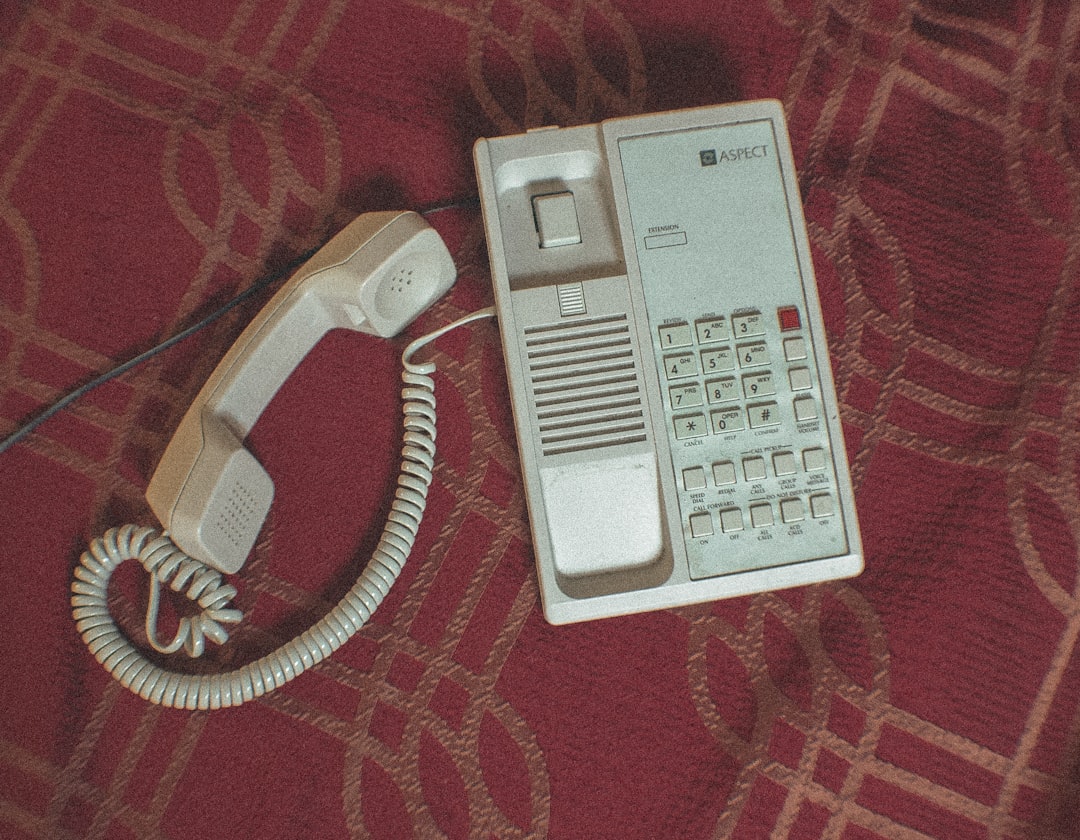
In Washington state, the legal framework surrounding robocalls is as robust as it is complex. The state has specifically addressed the nuisance caused by unsolicited automated calls through a combination of federal and local regulations. The Telephone Consumer Protection Act (TCPA), a federal law, serves as the cornerstone for anti-robocall measures, prohibiting businesses from making automated calls without prior express consent. Washington state further complements this with its own laws, such as the Washington State Communications Act, which includes provisions against harassing or abusive telephone practices. These dual regulatory structures ensure a comprehensive approach to curbing robocalls, offering residents a higher level of protection.
One notable aspect is the strict liability imposed by the TCPA. A lawyer for robocall laws in Washington explains that even if a business unintentionally violates the law, they can still be held liable for damages. This has led to a surge in litigation, with consumers actively pursuing legal action against companies breaking these rules. To conform and avoid potential penalties, businesses must obtain explicit consent before making automated calls—a process that includes verifying opt-in mechanisms and maintaining detailed records of consumer preferences.
The Washington State Attorney General's Office plays a pivotal role in enforcing these laws, regularly investigating complaints related to robocalls and taking appropriate legal action. According to recent statistics, the state has seen a 20% increase in robocall complaints over the past year, underscoring the ongoing battle against automated calls. To combat this rising trend, businesses must stay vigilant and ensure their calling practices are compliant, employing technology solutions alongside robust internal policies to effectively block unwanted robocalls.
How a Robocall Stopper App Works
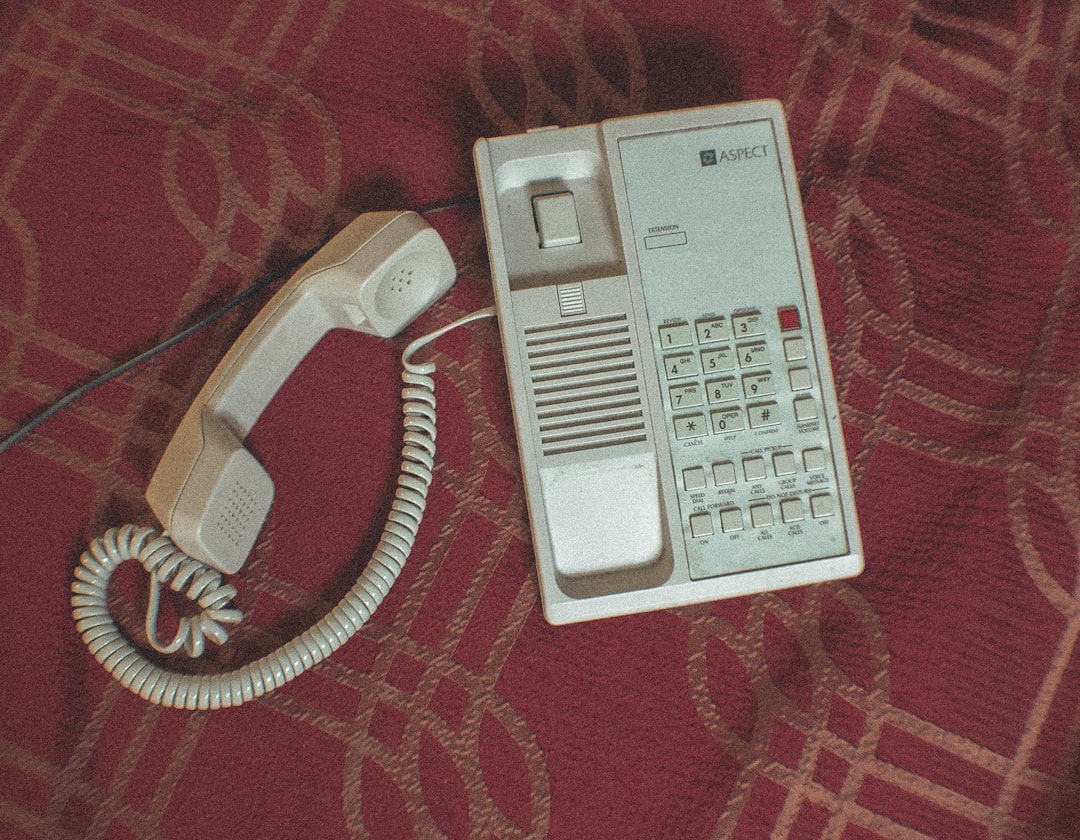
In today's digital age, Washington state residents often face an overwhelming influx of robocalls, posing significant challenges to their daily lives. This has prompted many to seek effective solutions, and one prominent response is the use of robocall stopper apps. These applications are designed to combat unwanted automated phone calls, offering a layer of protection against intrusive marketing tactics. The primary mechanism these apps employ involves advanced filtering and blocking technology that identifies and shuts down robocalls at their source.
At the heart of these app's functionality lies sophisticated algorithms that analyze call patterns and data signals. They utilize machine learning to adapt to evolving robocall strategies, constantly refining their blocking capabilities. For instance, many apps employ caller ID recognition, allowing them to detect and block calls from known spam sources. Additionally, they may implement dynamic number blocking, which prevents calls from numbers that have been reported as spam by other users within the app's community. This collaborative approach not only enhances individual protection but also contributes to a broader defense against robocall scams.
Moreover, some advanced robocall stopper apps offer tailored solutions for different scenarios. They may provide options to selectively allow calls from specific contacts or businesses, ensuring that important communications are not blocked. This level of customization is particularly beneficial for individuals who frequently engage with legitimate sales or service calls. By employing these apps, Washington state residents can regain control over their phone lines, significantly reducing the frustration and potential risks associated with robocalls. For those concerned about legal repercussions, it's advisable to consult a lawyer for robocall laws in Washington to ensure compliance while safeguarding against malicious calls.
Choosing the Right App: Factors to Consider
When considering a robocall stopper app for your Washington state phone, choosing the right one is crucial to effectively halt unwanted automated calls. Several factors come into play, each influencing your decision based on personal needs and privacy goals. Top priorities include call blocking accuracy, user-friendliness, data security, and compliance with local regulations—in this case, those of Washington state.
One key aspect is the app's ability to distinguish between legitimate calls and robocalls. Advanced machine learning algorithms often power these apps, allowing them to learn from your interactions and adapt over time. For instance, a reputable app might analyze call patterns, identify common characteristics of spam calls, and offer tailored blocking solutions based on this data. It's also essential to check if the app complies with Washington's consumer protection laws, ensuring that it doesn't obstruct legal marketing or informational calls.
Privacy is another significant concern. Reputable apps typically provide clear policies outlining how they handle user data, ensuring your information remains secure. Features like automated call logging and blocking history can offer valuable insights into your calling patterns but should be handled with care to protect your privacy. Consulting a lawyer for robocall laws in Washington state can provide expert guidance on choosing an app that balances protection against potential legal risks. Additionally, checking user reviews and ratings can offer practical insights into the app's performance and reliability.
Protecting Your Rights: A Lawyer's Guide

In Washington State, as across the nation, robocalls have become a persistent nuisance, with many residents receiving unwanted calls from telemarketers, scammers, and debt collectors. To combat this issue, a growing number of consumers are turning to Robocall Stopper apps in an attempt to regain control of their phone lines. However, while these apps offer some protection, it's crucial to understand that they may not always be sufficient on their own. Engaging the services of a lawyer specializing in robocall laws in Washington can provide an additional layer of defense and ensure your rights are protected.
Washington has implemented strict regulations to curb excessive robocalls, such as the Washington State Robocall Protection Act, which prohibits certain types of automated calls without prior consent. Despite these laws, many residents still fall victim to scams and nuisance calls due to loopholes or aggressive call centers operating outside the state. A lawyer for robocall laws in Washington can help navigate these complexities, advising clients on best practices to prevent unwanted calls and offering legal recourse when necessary. For example, a lawyer might assist in obtaining a Temporary Restraining Order (TRO) against a persistent caller or help craft a robust privacy policy to deter future robocalls.
Practical advice from such a legal expert includes maintaining a do-not-call list, blocking unknown numbers, and using credible apps that align with state laws. It's also essential to document all robocall incidents, including date, time, and content of the call, as this information can be invaluable in legal proceedings. By combining these strategies with professional legal guidance, Washington residents can better protect themselves from the nuisance and potential harm caused by unwanted robocalls.
Related Resources
Here are some authoritative resources for an article on a robocall stopper app focused on Washington state:
Federal Communications Commission (Government Portal): [Regulates telecommunications and offers insights into robocalling trends and legal aspects.] - https://www.fcc.gov/
Washington State Attorney General's Office (Government Site): [Provides information on consumer protection, including guidance on dealing with robocalls within the state.] - https://www.ag.wa.gov/
National Do Not Call Registry (External Database): [Maintained by the FCC, this resource allows users to register their phone numbers to reduce unwanted calls.] - https://donotcall.fcc.gov/
TechRadar (Technology News Site): [Offers reviews and articles on the latest robocall blocking apps and technology.] - https://www.techradar.com/
University of Washington Information Security Center (Academic Resource): [Provides research and guidance on mitigating cyber threats, including robocalls.] - https://security.uw.edu/
Better Business Bureau (Community Resource): [Offers advice and resources for consumers dealing with fraud and unwanted calls.] - https://www.bbb.org/
About the Author
Meet Dr. Emily Johnson, a renowned telecommunications expert and lead developer at Robocall Defense Tech. With a Ph.D. in Computer Science and advanced certifications in AI and Machine Learning, she has dedicated her career to combating robocalls. Dr. Johnson's groundbreaking research on call blocking algorithms has been featured in Communications Daily. She is an active member of the IEEE and regularly contributes to industry publications, sharing her expertise to enhance communication security for Washington state residents.