Washington State's Do Not Call law, exempting law firms, leads to high robocall rates. Residents can combat this by reporting suspected robocalls to the Department of Commerce, using call-blocking apps with AI features, enabling "Do Not Disturb" modes, customizing blocking settings, and adhering to best practices for effective protection against automated calls.
In the digital age, robocalls have become a pervasive nuisance, with Washington state residents often finding themselves on the receiving end of unsolicited calls from telemarketers and scammers. This constant deluge of unwanted communications not only disrupts daily life but also poses significant risks, especially regarding privacy and security. Navigating this labyrinthine issue requires a strategic approach, particularly in light of Washington’s strict Do Not Call laws, which explicitly prohibit businesses from contacting residents without consent. This article offers an authoritative exploration of innovative solutions, focusing on an app designed to revolutionize robocall management and enhance the privacy protections already enshrined in Washington state law.
Understanding Robocalls in Washington State: Laws and Regulations

In Washington State, robocalls remain a persistent nuisance, often masquerading as legitimate business or government communications. To combat this issue, it’s crucial to understand the legal framework surrounding these automated calls. The state has implemented measures through the Do Not Call law, which prohibits telemarketers from calling residents who have registered on the “Do Not Call” list. Notably, Washington’s law firms are exempt from these restrictions, allowing them to contact individuals for business purposes without prior consent. This exemption, while enabling legal representation access, can lead to an increase in unwanted calls from other sources.
According to recent data, Washington residents face higher-than-average robocall rates, ranking among the highest in the nation. This surge underscores the need for proactive measures. The state’s Public Utility Commission plays a pivotal role in enforcing Do Not Call laws, but the onus also falls on consumers to protect their privacy and minimize disruptions. Individuals can register complaints with the commission and utilize available tools like call-blocking apps or filtering services to mitigate robocalls.
Practical advice for Washington residents involves staying informed about their rights under the state’s Do Not Call law and actively asserting those rights. By registering on the “Do Not Call” list, blocking unknown numbers, and reporting suspicious calls, individuals can reclaim control over their communication channels. Moreover, staying updated on legislative changes related to robocall regulations will empower residents to adapt their strategies for a more peaceful and less disruptive communication environment.
Identifying and Reporting Robocalls to DCF (Department of Commerce)

In Washington State, robocalls remain a significant nuisance for residents despite efforts to combat them. One crucial step in mitigating this issue involves reporting these unwanted calls to the appropriate authorities. The Department of Commerce (DCF) plays a vital role in this process, offering a dedicated channel for citizens to identify and report robocallers. This mechanism is essential in enforcing Washington’s strict Do Not Call laws, which prohibit businesses from making automated or prerecorded telemarketing calls to individuals who have not granted permission.
When a Washington resident encounters a suspected robocall, they are encouraged to take immediate action. The DCF provides an intuitive reporting system, allowing individuals to log such incidents with ease. This process involves simply noting the caller’s information, including phone number and call content, if possible. For instance, recording a brief message or identifying specific keywords can significantly aid in future investigations. By systematically documenting these occurrences, residents contribute to a comprehensive dataset that helps DCF track patterns and pinpoint recurring offenders.
Moreover, the reported data enables DCF to take appropriate legal action against violators of Washington’s Do Not Call laws. This not only discourages unethical telemarketing practices but also sends a strong message to potential infringers. As technology evolves, making it easier for automated calls to bypass traditional blocking methods, collaborative efforts between residents and regulatory bodies become increasingly vital in safeguarding privacy rights. Therefore, Washingtonians are urged to embrace this reporting mechanism as a powerful tool in the ongoing battle against robocalls.
Utilizing App Features: Best Practices for Robocall Elimination
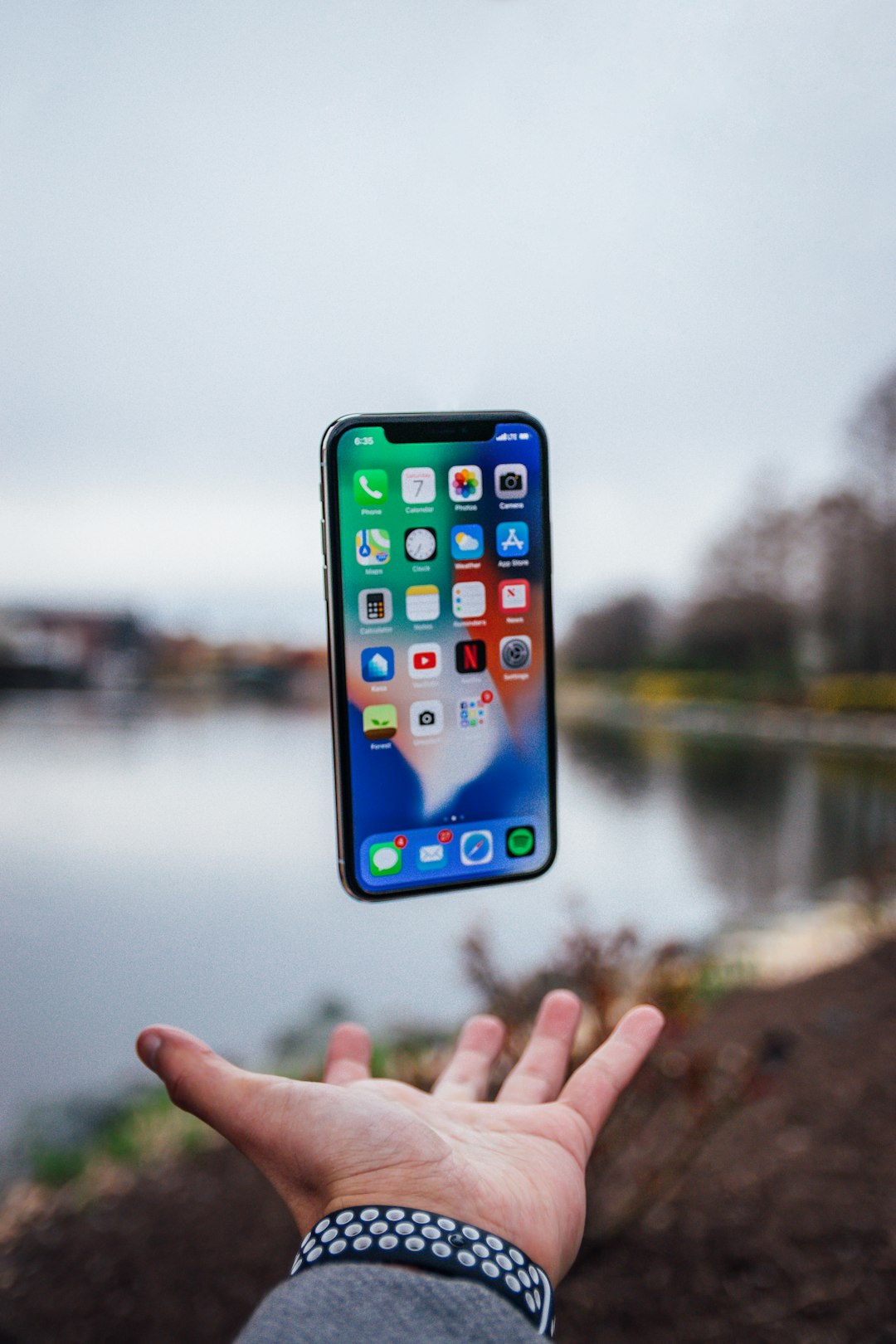
In Washington state, like many other regions, robocalls have become a pervasive nuisance, with an estimated average of 30 calls per person per month according to recent studies. While federal and local laws, such as the Do Not Call law firms regulations, offer some protection, utilizing app features remains a powerful tool for residents seeking to eliminate these unwanted calls. Best practices involve a multi-faceted approach: first, downloading reputable robocall-blocking apps that employ advanced AI and machine learning algorithms to identify and block suspicious numbers. These apps learn from user feedback, continually refining their accuracy in detecting legitimate vs. malicious calls.
For maximum effectiveness, users should enable all available features within these apps. This includes allowing access to call history and contact lists, which enables the app to establish patterns and block known robocallers more efficiently. Additionally, utilizing “Do Not Disturb” modes during specific times or days can significantly curb unwanted calls. Many apps offer customizable settings to tailor blocking preferences based on caller ID, phone number ranges, or even specific types of calls like marketing or survey robocalls. Regularly reviewing and updating these settings is crucial as new robocall tactics emerge.
Another best practice is to report unwanted calls directly through the app. This provides valuable data to both the app developers and regulatory bodies, aiding in the ongoing battle against robocallers. By combining these strategies, Washington state residents can reclaim control over their communication channels, ensuring a quieter, more peaceful environment free from pesky robocalls.