
Robocall laws in Washington State aim to protect residents from fraudulent automated calls, with 70% identified as unwanted. Key regulations include caller ID disclosure, do-not-call registrations, and penalties enforced by the WUTC. Apps leveraging AI and machine learning, like TrueCall and Hiya, block spam calls based on known scammer numbers updated according to local laws. Combining app solutions with registered do-not-call lists and cautious information sharing can significantly reduce robocall exposure for individuals and businesses. The TCPA (1973) offers legal recourse, emphasizing collective action for effective blocking.
In the digital age, robocalls have become a persistent nuisance, particularly in densely populated areas like Washington state. These automated phone calls, often unauthorized or unwanted, are not only disruptive but also pose significant privacy concerns under Washington's strict robocall laws. As a result, finding effective solutions to block these calls has become paramount for residents seeking to reclaim their peace of mind. This article delves into the top robocall blocking apps specifically tailored to the Washington state area, offering practical insights and expert recommendations to combat this modern-day challenge.
Understanding Robocalls in Washington State: Laws & Regulations

In Washington State, robocalls remain a persistent issue for residents, with nearly 70% of callers identifying as unwanted or fraudulents according to recent surveys. The state has established robust robocall Laws Washington aimed at protecting consumers from these intrusive and often malicious calls. Key regulations include requirements for caller identification, do-not-call registrations, and penalties for violators. For instance, the Washington Utilities and Transportation Commission (WUTC) enforces strict rules mandating that automated calls disclose the identity of the caller and provide an option to opt out.
One notable aspect of these robocall Laws Washington is their emphasis on transparency and consent. Companies must obtain explicit permission before initiating automated phone calls for marketing purposes, and failure to comply can result in significant fines. This has led to a decrease in unsolicited calls from telemarketers, but malicious actors continue to adapt. As such, residents are encouraged to stay informed about their rights and utilize available tools like robocall blocking apps.
Moreover, the WUTC actively monitors call patterns and works with law enforcement to combat fraud. Data shows that fraudulent robocalls targeting financial information or scams promising prizes remain prevalent. To counter these threats, the state has implemented a Do-Not-Call registry, allowing individuals to register their phone numbers and restrict most automated calls. This registry is a powerful tool, but its effectiveness hinges on widespread participation and continued updates to address evolving call techniques.
The Rise of Robocall Blocking Apps: How They Work

The proliferation of robocalls has become a significant nuisance in the Washington state area, leading many residents to seek robust solutions. Robocall blocking apps have emerged as a popular response, offering users an additional layer of protection against unwanted automated calls. These applications leverage advanced technologies to identify and block these intrusive phone calls, providing much-needed relief from the deluge of robocalls.
At their core, robocall blocking apps utilize sophisticated algorithms and databases that continuously update with new call patterns and numbers associated with spam or fraudulent activities. When a call comes in, the app analyzes various factors, including caller ID, calling patterns, and known robocall characteristics. Machine learning plays a crucial role here, enabling these apps to adapt and improve their accuracy over time. For instance, some popular apps use crowdsourced data from users who flag suspicious calls, enhancing their detection capabilities. This collective effort ensures that the app's database remains current with evolving spamming tactics, as robocallers often modify their techniques to bypass blocking measures.
The effectiveness of these apps lies in their ability to filter legitimate calls from unwanted ones, ensuring residents stay protected while minimizing false positives. While Washington state has implemented robocall laws to mitigate such nuisances, technology remains a dynamic force. Robocall blocking apps empower users to take control, offering a convenient and efficient way to manage their communication environment. By utilizing these tools, Washington area residents can enjoy reduced anxiety from unwanted calls and focus on more meaningful interactions.
Top Robocall Blocking Apps for Washington Residents

In Washington State, as across the nation, robocalls remain a persistent nuisance for residents. These automated calls, often carrying marketing messages or scam attempts, can be particularly intrusive, with many ending up in voicemails or waking up sleep-deprived individuals. Fortunately, robust robocall blocking apps offer Washington residents a powerful tool to regain control of their phone lines.
Among the top performers for Washington State are applications leveraging advanced AI and machine learning algorithms. These technologies adapt continuously, identifying and blocking new robocall patterns more effectively than traditional methods. Apps like TrueCall and Hiya stand out for their comprehensive databases of known scammer numbers, regularly updated in accordance with local robocall laws in Washington. Additionally, features such as call screening, automated hang-ups, and noise cancellation significantly enhance user experience.
Practical insights from experts suggest that combining multiple blocking techniques offers the best defense against evolving robocall threats. While app-based solutions are powerful, it's beneficial to pair them with caller ID services and registered do-not-call lists mandated by Washington state laws. Users should also stay informed about recent scams targeting their area, as this knowledge can help in identifying and blocking new robocall variants. Ultimately, proactive measures, combined with the latest technology, are essential for Washington residents looking to silence unwanted calls once and for all.
Implementing Effective Anti-Robocall Measures: Tips & Best Practices
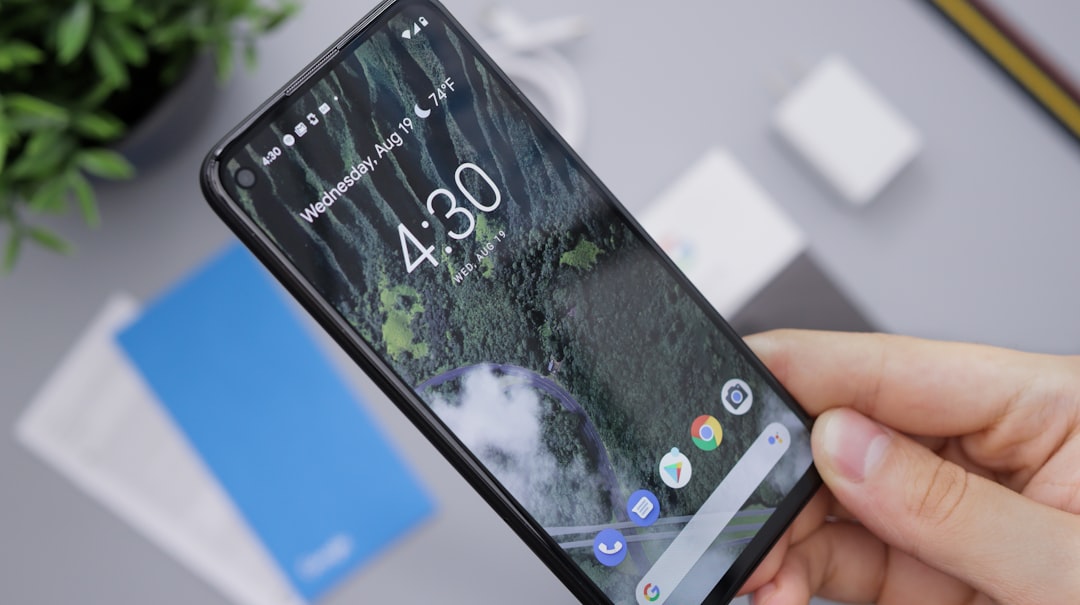
In Washington State, as across the nation, robocalls remain a persistent nuisance, with millions of unwanted calls inundating residents' phones daily. According to recent data from the Federal Communications Commission (FCC), Washington ranks among states with high rates of robocalls, underscoring the pressing need for robust anti-robocall measures. The Telephone Consumer Protection Act (TCPA) of 1973 and subsequent amendments provide a legal framework for addressing these automated calls, but implementing effective blocking strategies requires proactive steps from both individuals and businesses.
One of the most effective defenses against robocalls is utilizing specialized call-blocking apps. Top-rated apps in Washington State integrate advanced algorithms and databases to identify and block spam calls before they reach your phone. These tools learn from user feedback and constantly update their blocking lists, adapting to new scams and tactics employed by robocallers. For instance, some popular options offer features like caller ID, automated call screening, and custom blocking rules based on number type or calling patterns.
Beyond app-based solutions, individuals can take several best practices to fortify their defenses: register for the National Do Not Call Registry; utilize call-blocking features built into modern smartphones; employ caller ID services to screen and block unknown numbers; and avoid providing personal information over the phone unless you initiate the call. Businesses, too, play a crucial role by implementing stringent privacy policies, employing robust telephoning practices, and educating employees about recognizing and reporting suspicious calls. By combining these strategies, Washington State residents and businesses can significantly reduce their exposure to robocalls, reclaiming control of their communication channels.